Helping Older Adults Stay Safe During Cold Weather
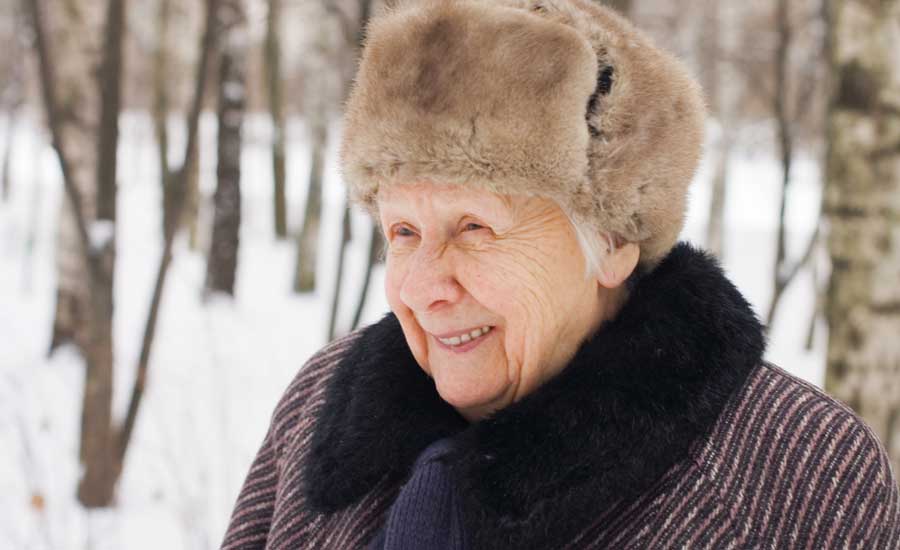
As we get older, changes in the body make it harder to adjust to colder temperatures. This means an older adult can become cold more quickly and not realise how much the temperature affects them.
During the autumn and winter months, care homes take this into consideration when residents are in their rooms, spending time outdoors or leaving the home for appointments and activities.
So, what precautions do care homes take when the temperature drops?
How Do Care Homes Protect Residents During Cold Weather?
Care homes protect residents during cold weather by keeping the home at a comfortable temperature and providing extra support for those more vulnerable to the cold. Staff can provide warmer clothing or extra bedding where needed, serve hot meals and drinks throughout the day and limit time outdoors during very cold or icy weather. Residents will also be monitored for signs that they are struggling to stay warm.
The Reasons Why Cold Weather Affects Elderly Adults
Ageing changes how the body responds to a drop in temperature.
Blood vessels do not always constrict effectively to conserve heat and the body can become slower at producing heat on its own. So, you’ll find that an elderly person might lose heat more quickly than a younger adult, even when they’re in the same environment.
It’s also important to recognise when a resident is cold. Elderly residents in a care home might have reduced awareness of temperature changes and, if they’re living with dementia, may find it difficult to recognise or communicate that they are becoming uncomfortably cold.
Here are several reasons why an individual resident could be more susceptible:
- Reduced mobility can make staying warm more difficult because movement generates body heat. A resident who spends much of the day sitting or who needs assistance to move around may feel the effects of a cooler room sooner.
- Poor circulation can leave the hands and feet particularly cold. Some heart and respiratory conditions can also make cold weather harder on the body, so existing medical needs should be taken into account when temperatures fall.
- Certain medicines affect circulation or the body’s temperature regulation. Carers should be aware of any relevant side effects or instructions recorded in a resident’s care plan.
Keeping Residents Warm Inside the Care Home
Care homes can take a number of practical steps to keep residents warm when temperatures fall:
✓ Monitor temperatures in bedrooms and communal areas throughout the day and overnight
✓ Make sure heating systems are working properly and report faults promptly
✓ Check windows and doors for cold draughts
✓ Provide extra blankets for residents who need them, including when sitting in communal areas
✓ Support residents to wear additional layers, such as cardigans, jumpers and warm socks.
✓ Make sure residents have suitable nightwear and bedding during colder nights
✓ Keep spare blankets and warm clothing readily available in communal areas
✓ Pay closer attention to residents who spend long periods sitting or in bed, as they may generate less body heat through movement
✓ Encourage regular movement where this is appropriate for the resident, including short walks around the home or supported movement from a chair
✓ Check that residents returning from an outing have an opportunity to warm up and change out of damp clothing if necessary.
✓ Make sure wet coats, shoes and other outdoor clothing are dried properly before they are worn again
✓ Consider where residents are sitting, particularly if their usual chair is close to an external door, window or another draughty area
✓ Check whether individual residents feel warm enough instead of relying on the room temperature alone
✓ Take additional precautions for residents who are unable to communicate that they feel cold
✓ Make sure call bells and other ways of asking for assistance remain within easy reach, particularly overnight
✓ Watch for shivering, cold or pale skin and changes in behaviour that could indicate a resident is becoming too cold
✓ Review individual cold-weather needs when a resident’s mobility, health or medication changes
Hot Meals and Drinks During Cold Weather
Regular hot meals are more than welcome when the temperature drops, with care homes adapting seasonal menus to include more warming options such as soups, casseroles, stews and hot puddings.
Hot drinks will be offered regularly between meals, too, giving residents plenty of opportunities to have tea, coffee or another warm drink they enjoy, such as hot chocolate or a milky malt beverage. This strategy is useful during winter because older adults may have a reduced sense of thirst and still become dehydrated in cold weather.
For residents with smaller appetites, nourishing snacks and hot drinks can provide additional energy between meals.
Trained care staff will also notice changes in a resident’s usual eating or drinking habits, as a sudden loss of appetite or reduced fluid intake can sometimes be an early indication that they are unwell.
Keeping Your Loved One Safe and Comfortable This Winter
Cold weather requires some extra consideration in a care home, particularly for residents who are less mobile, have existing health conditions or do not always recognise when they are becoming cold.
By understanding each resident’s needs, care teams can make appropriate adjustments as temperatures fall and respond quickly if they see signs that the cold is affecting their health.
If you have particular concerns about how your loved one copes with cold weather, speak to the care team.
Sharing information about how your family member usually keeps themselves warm, any difficulties they have experienced in previous winters or changes you have noticed can all be useful when planning their care, ensuring they remain happy and healthy during winter.
Ready to explore...