A Step-By-Step Guide To Nursing Home Assessments
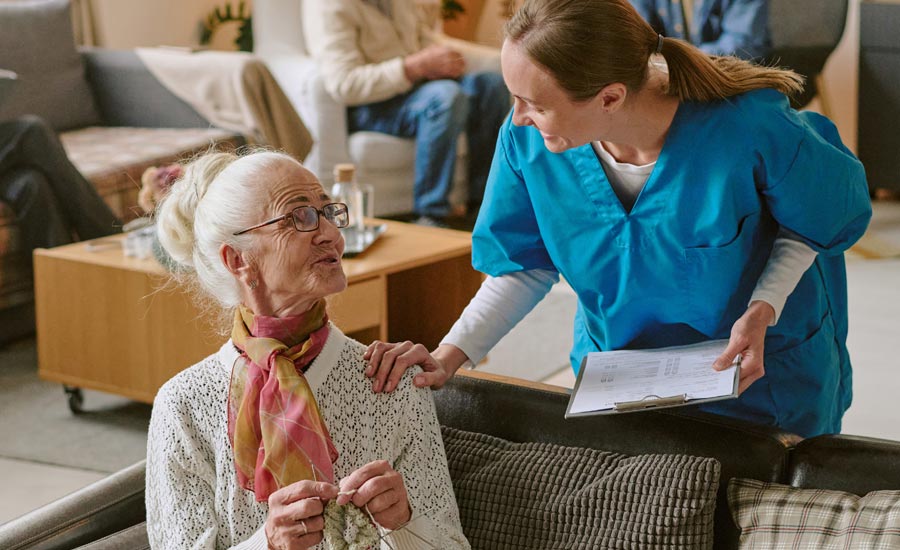
Deciding whether a nursing home is the right choice can feel overwhelming. And alongside the emotional side of the decision, there is often uncertainty about what happens next.
One question families ask time and time again is what a nursing home assessment actually involves.
Knowing what to expect can make the process of moving a loved one into a nursing home feel much less daunting. Keep reading to learn more.
What Happens During A Nursing Home Assessment?
A nursing home assessment looks at your loved one’s health, mobility, daily care needs, medical conditions and overall well-being to determine whether nursing care is appropriate. Healthcare professionals will gather information from your relative, their family and medical records before making recommendations about the type of care that will best meet their needs.
What To Expect During A Nursing Home Assessment
Every assessment is slightly different because every resident’s needs are different. Some conversations are completed in one visit, while others involve information from healthcare professionals, family members and existing medical records.
Although the details vary, most nursing home assessments follow a similar process:
Step 1: Gathering Medical And Personal Information
Every nursing home assessment starts with a conversation.
Before looking at your loved one’s care needs, the assessor will want to understand their health, medical history and what life looks like for them at the moment. They might also ask about medication, recent hospital treatment and any support that’s already in place.
It’s also common for family members to share what they’ve noticed at home. Sometimes the biggest changes are gradual, so relatives can often provide valuable context that won’t be in their medical records.
Step 2: Understanding Daily Living Needs
Knowing someone’s medical history doesn’t always tell you how they’re managing from one day to the next.
The nursing home assessor will ask questions about your loved one’s everyday routines, such as whether they can get washed and dressed without help. Are they cooking regular meals? Do they feel confident moving around the house? Have certain tasks started taking much longer than they used to?
Don’t worry. There are no right or wrong answers. These questions are here to help build a realistic picture of where your relative is managing well and where they would benefit from a little extra support.
Step 3: Looking At Nursing And Clinical Needs
This stage focuses on whether your loved one needs care that must be provided or overseen by a registered nurse.
Examples include:
- Managing complex medication.
- Caring for wounds that need regular dressing changes.
- Monitoring long-term health conditions such as diabetes.
- Supporting PEG feeding or catheter care.
- Providing ongoing clinical observations.
Having one of these complex needs does not automatically mean a nursing home is the right option. The assessor considers how often support is needed, how complex it is and whether it can be managed safely in another setting.
Step 4: Understanding How Health Affects Everyday Life
By this stage, the assessor will have a good understanding of your loved one’s medical history. So now it’s time to evaluate how those health conditions affect everyday life.
For example, they may be physically mobile but become confused when taking medication. And they might have reduced mobility but continue managing many daily tasks with the right support.
During this part of the assessment, the conversation will likely include:
Whether they recognise potential risks around the home.
If memory problems affect day-to-day decisions.
How confidently they communicate their needs.
Whether anxiety, low mood or confusion are making daily life more difficult.
Step 5: Hearing From The People Who Know Them Best
No one sees day-to-day changes more clearly than the people closest to them.
As a family member, you might mention that your loved one has stopped answering the phone, now leaves meals untouched or no longer feels confident leaving the house alone. On their own, those changes may seem small. But together, they explain how life has changed for them over time.
That’s why family members are often encouraged to be part of the assessment.
Their perspective builds a more accurate picture of how someone is managing outside of appointments and hospital visits.
Preparing For The Nursing Home Assessment
Before the nursing home assessment begins, you don’t need to have every answer ready, but it can help to think about your loved one’s everyday life beforehand.
It is worth making a note of:
- Recent changes in health or mobility.
- Any falls or hospital admissions.
- Support already provided by family.
- Medications and medical conditions.
- Questions or concerns you would like to discuss.
Being open about the challenges your loved one is facing helps professionals recommend the right level of care.
It is understandable to want to focus on what your relative can still do, but being honest about where they need support is just as important, ensuring they are well looked after going forward.
Knowing What To Expect Makes The Process Easier
Most families have never been through a nursing home assessment before, so it’s completely normal to wonder what will happen.
But the process is usually much more straightforward than you expect.
The nursing home assessor is there to ask questions and listen carefully to understand how your loved one is managing day-to-day. So the more open everyone can be, the easier it is to recommend care that matches their needs.
Ready to explore...