Why Intergenerational Connection Matters For Well-being In Later Life
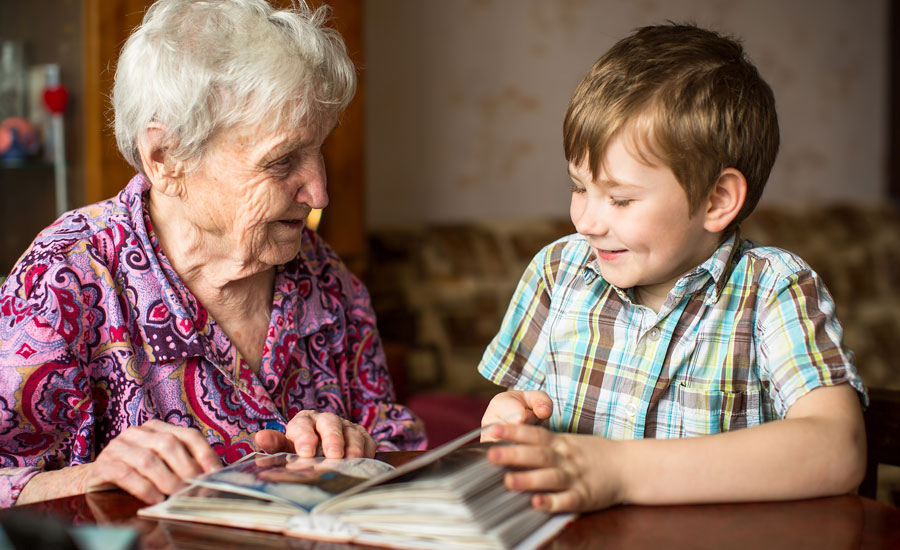
Loneliness in older adults is a health crisis. The National Institute on Ageing reports that social isolation in the elderly increases mortality risk by 50%, comparable to smoking 15 cigarettes daily. Yet the solution might be simpler than we think — a meaningful connection across generations.
Intergenerational relationships, connections between older adults and younger people outside typical family structures, are proving to be powerful tools for wellbeing in later life. And the research shows measurable improvements in mental and physical health when generations interact regularly.
This article explores the benefits of regular interaction among different generations.
What Are The Mental Health Benefits Of Intergenerational Relationships?
Here are five evidence-based mental health benefits of intergenerational relationships for older adults:
1. Reduced depression and anxiety symptoms
A 2023 study in The Gerontologist found that older adults participating in intergenerational programs showed a 28% reduction in depressive symptoms over six months. Regular interaction with younger people provides emotional stimulation and disrupts the isolation-depression cycle common in later life.
2. Improved cognitive function and memory
The University of Pittsburgh’s research shows that older adults engaged in weekly intergenerational activities demonstrated better memory recall and processing speed than control groups. Teaching skills to younger people or learning from them keeps neural pathways active.
3. Increased sense of purpose and meaning
Mentoring younger generations gives older adults a clear role and contribution. And having purpose reduces mortality risk and improves psychological well-being. Feeling needed matters.
4. Lower rates of social isolation and loneliness
Elderly people with regular cross-generational contact score significantly lower on loneliness scales. These relationships expand social networks beyond age-segregated environments that dominate modern life.
5. Enhanced self-esteem and life satisfaction
Being valued for experience and wisdom boosts self-worth. A 2022 Australian study found that older adults in intergenerational programs reported 35% higher life satisfaction scores than peers without such connections.
Modern Life Limits Cross-Generation Contact
Back in the day, previous generations lived in multi-generational households or communities where daily cross-age interaction was inevitable.
Today’s older adults often live in age-segregated environments, retirement communities, care homes or all alone, while younger people occupy separate physical and social spaces.
This separation is actually recent and unnatural.
Throughout human history, societies would thrive on intergenerational knowledge transfer and mutual support. Unfortunately, we seem to have engineered that out of modern life, and older adults pay the price in isolation and diminished well-being.
The Biological Response To Connection
When elderly people engage meaningfully with younger people, their bodies respond physiologically. Cortisol levels will decrease and oxytocin production increases. Blood pressure also drops. These are measurable changes that reduce disease risk and improve quality of life.
The brain responds particularly well. Neuroplasticity (the brain’s ability to form new connections) remains active throughout life when stimulated.
And intergenerational interaction provides that stimulation through storytelling, skill-sharing, problem-solving and exposure to different perspectives.
What Makes These Relationships Work
Not all cross-age contact delivers benefits. In fact, superficial or obligatory interactions don’t benefit anyone. Effective intergenerational relationships share specific characteristics:
- Mutual benefit and reciprocity – Both generations gain something valuable through intergenerational interactions. Older adults also contribute knowledge, skills or support to younger people.
- Regular, ongoing contact – One-off events create moments, not relationships. Weekly or bi-weekly interaction builds a genuine connection.
- Shared activities or goals – Working together toward something, like a garden, a project or learning a skill, creates natural bonds stronger than forced socialisation.
- Authenticity and respect – Younger people genuinely interested in older adults’ experiences achieve better outcomes than those who fulfil service requirements.
Practical Ways To Build Intergenerational Connection In Care Homes
Care homes are increasingly recognising intergenerational programming as essential. If you’re living in or visiting someone in a care home, these approaches create meaningful cross-generation contact:
Request or advocate for regular intergenerational programs
Many care homes partner with local schools, nurseries or youth organisations for scheduled visits. Students might read to residents, participate in art projects together or share music performances. If your care home doesn’t offer these, speak with the activities coordinator about starting them.
Participate in intergenerational volunteer schemes
Programs like ‘adopt a grandparent’ or reading buddy initiatives bring young volunteers into care homes weekly. Interestingly, residents who consistently engage with the same young person develop genuine relationships beyond superficial interaction.
Join or suggest shared creative projects
Intergenerational art installations, community gardens accessible to both residents and local children or collaborative music groups create natural opportunities for connection while producing something meaningful together.
Support technology-based connections
Some care homes facilitate virtual pen pal programs, video call exchanges with schools or digital storytelling projects where residents share life experiences with students who help create multimedia presentations.
Engage during community events
When care homes host open days, holiday celebrations or fundraising events that attract families and children, participating creates informal intergenerational moments that residents often find energising.
Advocate for intergenerational care models
A growing number of facilities co-locate nurseries or after-school programs within care homes, creating daily opportunities for natural interaction. If you’re researching care homes for yourself or a loved one, ask about their intergenerational programming philosophy and frequency.
Connection Over Perfection
Intergenerational relationships for well-being in later life are about genuine human connections that occur across age boundaries.
The mental health benefits, such as reduced depression, improved cognition, increased purpose, decreased loneliness and enhanced life satisfaction, emerge naturally from meaningful relationships, not forced socialisation. So it’s important to focus on quality connections with people who genuinely interest you, regardless of age.
Ready to explore...