The Role of Outdoor Spaces in Person-Centred Care Homes
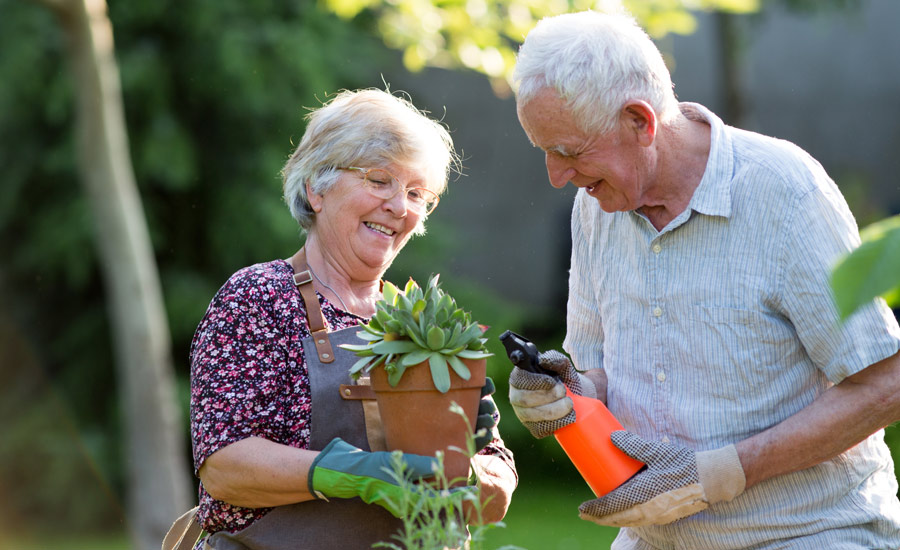
Outdoor spaces are part of everyday life in a care home, with most providing beautiful landscaped gardens with lots of places to walk and rest.
In homes that follow a person-centred approach, outdoor access is a natural part of daily routines rather than treated as a separate activity.
Keep reading as we discuss why outdoor spaces matter in care homes and how they support person-centred care in practice.
Why are Outdoor Spaces Important in Care Homes?
Gardens in care homes give their residents access to fresh air, movement, social opportunities, mental stimulation and a change of surroundings during the day. They also support everyday routines, provide space for calm or social time, allowing residents to spend time outside in ways that feel familiar and comfortable for each individual. Having access to the outdoors also helps staff support care in a more flexible way.
Outside Spaces and Person-Centred Care
Person-centred care is based on understanding how a resident lives day to day. And homes with adequate outdoor access can support this by giving the residents more options about where they spend time and move through their day.
Some residents might prefer quiet time outside in the morning, with a cuppa and a book and strolling to get some exercise. There will be other residents who’ll enjoy sitting outdoors after lunch and chatting with others or spending short periods outside with family.
Having access to the outside of the building lets care teams maintain these preferences without disrupting routines too much or forcing everyone into the same schedule.
Outdoor areas also give care staff another setting in which to observe comfort, mood and engagement, ensuring residents have the right care plans. They might notice that a resident may appear more settled outside, more willing to talk or be at ease when not in shared indoor spaces.
Obviously, access is based on residents’ individual preferences, abilities and timing, which is what person-centred care is all about.
Getting Outside Supports Emotional Well-being in Care Homes
Residents who spend time outdoors, whether in their home’s garden or local parks, tend to feel more emotionally comfortable.
Here’s why:
- A calmer setting when indoor areas feel busy – Some residents settle more easily outside, where it’s peaceful with natural sounds, especially when communal rooms are noisy or overstimulating.
- Familiar sights and sensations – Daylight, fresh air, weather changes and plants can feel grounding and are often recognised even when memory or communication is limited.
- Space to regulate emotions – Sitting outdoors for a short time can reduce agitation or restlessness, particularly for those with dementia and at certain times of day.
- Privacy without isolation – Outdoor areas allow residents to step away from shared spaces inside the care home while still feeling connected and safe.
- More relaxed interaction – Staff and families often notice residents talking more freely or seem more relaxed when outside, which is a fantastic way to support emotional connection.
Outdoor Access in Dementia Care
Here’s how gardens in care homes are designed and used for residents with dementia:
Safe movement without restriction
Enclosed gardens and clear paths allow residents to walk and explore in their own time without feeling stopped or redirected.
Clear visual cues
Paths that lead somewhere obvious, familiar planted flowers and visible seating help residents with dementia feel more confident about where they are.
Opportunities to release restlessness
Walking outdoors, even briefly, can help residents who feel unsettled or pace indoors at certain times of day.
Familiar sensory input
Fresh air, plants, birdsong and natural light are reassuring and recognisable, particularly when indoor environments feel confusing.
Routine without pressure
Some residents benefit from short, regular outdoor time rather than organised activities. A few minutes outside can be enough.
Support for staff-led care
Outdoor areas give staff another option when a resident is distressed, withdrawn or struggling indoors.
How Care Homes Build Outdoor Time Into Everyday Care
Staff will allocate outdoor time through routine decisions made during the day.
Some residents will like go outside on most days because it suits them, usually at the same time.
Yet some residents only go out occasionally, depending on how they’re feeling, so staff work around this rather than setting fixed times that can cause distress for some.
In many homes, time spent in the garden is linked to things that already happen, such as sitting outside after breakfast or getting some fresh air before lunch.
A short walk could take place during a quieter part of the afternoon — these moments are brief and often unplanned.
If outdoor areas are close to living spaces and easy to supervise, staff are more likely to support residents outside, which is why care homes set things up with this in mind, because when access is complicated, getting out happens less.
Fresh Air in Everyday Care
For residents living in care homes, life can become stagnant and stuck in a routine rut. Switching up the day with time outdoors offers excellent benefits, including better physical health, greater emotional well-being and socialising – or just some quiet time alone with nature.
When outdoor time is part of everyday care, it happens more naturally and more consistently. And it’s that consistency that keeps care aligned with individual preferences as needs change over time.
Ready to explore...