Activities That Stimulate Memory for People with Dementia
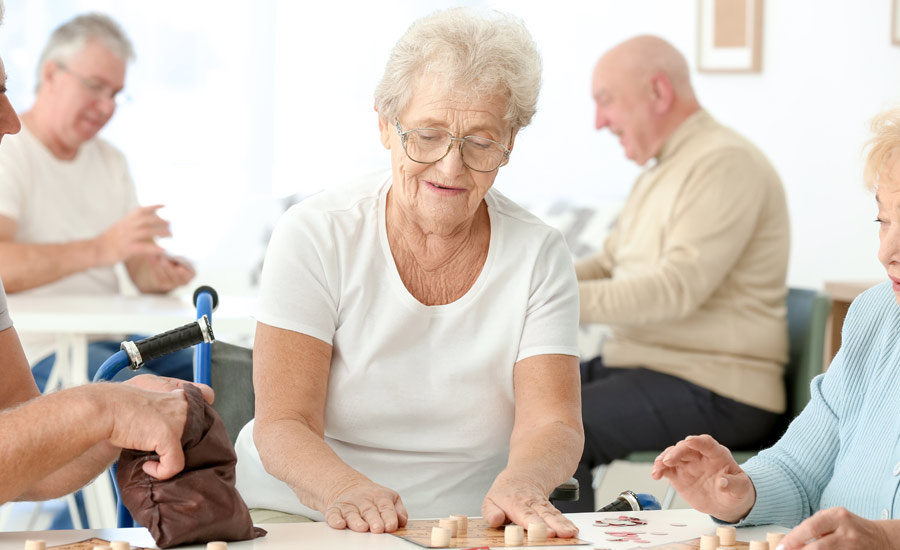
Residents living with dementia still look for connection and routine in their day. The ways they take part in life may change, but the need to feel included and recognised stays the same.
It’s often asked what activities are helpful for people with dementia. Learn how, when chosen carefully and supported with patience, they can offer both enjoyment and a sense of belonging.
Are Group Activities Good for Dementia Residents?
They can be, yes. When activities are carefully chosen and have a familiar feel, residents living with dementia often respond well to being part of a group. Group dementia activities can ease loneliness and being with others can relieve restlessness, making the day feel more connected and meaningful.
Why Group Activities Work
Residents with dementia can become withdrawn or unsettled for various reasons, including boredom, disorientation, lack of structure or feeling left out of what’s happening around them.
But well-planned dementia-friendly sessions will address these issues in several practical ways:
Connection and reassurance
Regular contact with other residents creates a familiar rhythm to an otherwise unsettled and boring day. Residents sitting together, sharing a song or a small task, helps them feel part of their surroundings, making life feel real instead of empty. Even quiet participation can reduce anxiety and assist residents with dementia to settle.
Focus and stimulation
A guided activity often holds attention better than unstructured time. This is especially true for residents who might drift or nap alone, who can now stay alert when there is gentle direction, simple prompts such as “can you pass that to me?” or “which colour do you like?” support both focus and decision-making and these interactions exercise memory and concentration.
Memory and routine
Group activities for dementia are most helpful when they use familiar actions or memories, like folding napkins or clothes, hearing a popular song from a special time in their life or polishing cutlery, which can bring a much-needed moment of recognition. In a group, one resident might begin a task, which often encourages others to join in and the room becomes calmer and more engaged, even if little is said.
Daily care benefits
When residents feel settled, tasks such as mealtimes or personal care usually go more smoothly and staff can also observe how residents respond and adjust dementia support accordingly.
Examples of Effective Group Activities for Memory Stimulation
Not every activity will suit every resident, but the best ones come with calm surroundings and staff who know how to guide without rushing.
Music sessions
Music for residents with dementia reaches them in ways that conversation sometimes cannot. Songs from earlier life draw their attention, leading to gentle movement or a shared singing session, fostering and deepening connections. Even residents who rarely speak might hum or tap along once they recognise a tune — but keeping the volume comfortable and using live instruments where possible creates a steady, relaxed atmosphere.
Reminiscence groups
Sessions that use familiar items or imagery can prompt recognition and conversation. Families of residents with dementia can provide a box of keepsakes, a few photographs from local events or a short film clip to help them recall shared experiences without too much pressure. Staff can then talk to them about what is in the picture, wait for a response or link it to something from daily life.
Art and craft activities
Simple creative tasks, such as painting with broad brushes or arranging coloured paper, can help maintain focus and coordination. The outcome is less important than the process. Residents often respond to the feel of the materials and the sense of achievement when something is finished and displayed.
Gardening groups
Working with plants can help residents stay active and connected to their fellow residents and surroundings. Some might enjoy filling a pot with soil or watering a few herbs while others prefer to sit outside and take in the colours of the flowers and their scents. The movement and change that come with gardening steady the moods of those with dementia and make their environment feel more alive.
Gentle exercise
Light movement in a small group stops residents from becoming stiff or losing confidence when standing or walking. The group might work on one movement at a time, such as stretching arms forward or taking a few supported steps to gentle music. Each resident joins in as best they can. These sessions prevent stiffness and loss of balance while giving staff a clear view of who might be struggling physically.
Connection Over Perfection
Dementia activities are only a small part of life in a care home, but they make all the difference to residents. As mentioned earlier in the article, familiar tasks and steady pacing reduce restlessness and make care easier to deliver, offering residents a practical way to keep focus when memory and attention are changing.
Ready to explore...